What a tear-off shows that a surface look cannot
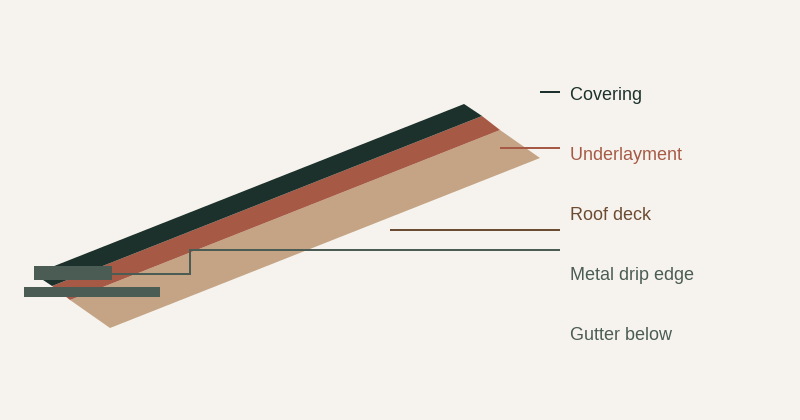
With more than a metre of precipitation in an average year, a Comox Valley roof lives wet. The shingle is only the top layer. Under it sit underlayment, the deck boards and the edge metal that feeds the gutter, and in this climate the deck is where the real age of a roof shows. A tear-off lets the roofer see whether boards at the eaves and valleys have gone soft, whether nails have rusted and whether old leaks have been feeding rot under the covering.
Choosing a covering for this valley
Asphalt shingle is the usual choice and does well when valleys, edges and flashing are done carefully. Metal sheds rain and snow quickly and handles moss well, though snow sliding off in sheets can damage gutters or hit a walkway, so a roofer may suggest snow guards. Cedar shake is a traditional look in the valley, and it asks for regular cleaning and treatment in a wet climate. Which one suits a house depends on the pitch, the trees around it and the budget.
Timing, weather and the permit question
Roofers in the valley are busiest between spring and fall. A tear-off on a wet week is a risk to the open deck, so a good crew watches the forecast and has tarps ready. Whether a permit is needed depends on the scope and on which desk covers the property: the City of Courtenay, the Town of Comox, the Village of Cumberland or the regional district. The permit page on this site explains the four desks.
Questions to put to the roofer
- Will the old covering come off completely, and what will you do if you find soft boards?
- What underlayment and edge metal will go on, and how will the valleys be flashed?
- How will the crew protect plantings and clean up nails?
- Who applies for a permit if one is needed?