The first hour
An active leak during a valley storm is a safety problem before it is a roofing problem. Get everyone out from under a bulging or sagging ceiling, because trapped water can bring plaster down all at once. Switch off power to any room where water is dripping through light fittings, but only if you can reach the panel without stepping through water. Use buckets and towels, and move furniture away from the wet area. Do not go onto the roof in wind or rain.
What a roofer will want to know
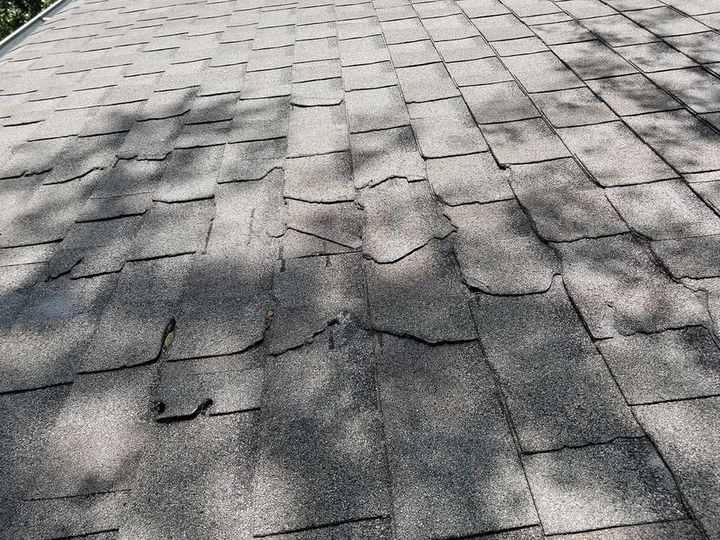
Have the community and street ready, how long the leak has been going, whether it started during wind, and whether anything fell on the roof. Photos help: the ceiling stain, any visible damage on the shingles from the ground, and fallen branches. In this valley, many emergency calls involve a limb from a fir or a maple that has opened a section of the covering, or a blocked gutter that has sent water over the edge and behind the fascia.
Tarps and temporary fixes
A temporary cover can keep rain out until conditions allow a proper repair. It also has to be fastened correctly, and a poorly placed tarp can funnel water into the wall or trap it against the deck. Whoever tarps the roof should say what they did and what is still open, and the permanent repair is a separate visit. Storm demand can delay it, and the roofer will give you a realistic timeline once they have seen the damage.
If the damage is insured
Photograph everything before it is cleaned up and keep any receipts for emergency measures. Your insurer will have its own process, and a roofer's written note on the cause of the damage is often useful for a claim.